Programming languages
Programming is the process of creating a set of instructions that tell a computer how to perform a task. Programming can be done using a variety of computer programming languages and there are over 700 languages.
Most used programming languages
1) C language

C is a general-purpose computer programming language. It was created in the 1970s by Dennis Ritchie, and remains very widely used and influential. By design, C's features cleanly reflect the capabilities of the targeted CPUs. It has found lasting use in operating systems, device drivers, protocol stacks, though decreasingly for application software, and is common in computer architectures that range from the largest supercomputers to the smallest microcontrollers and embedded systems.
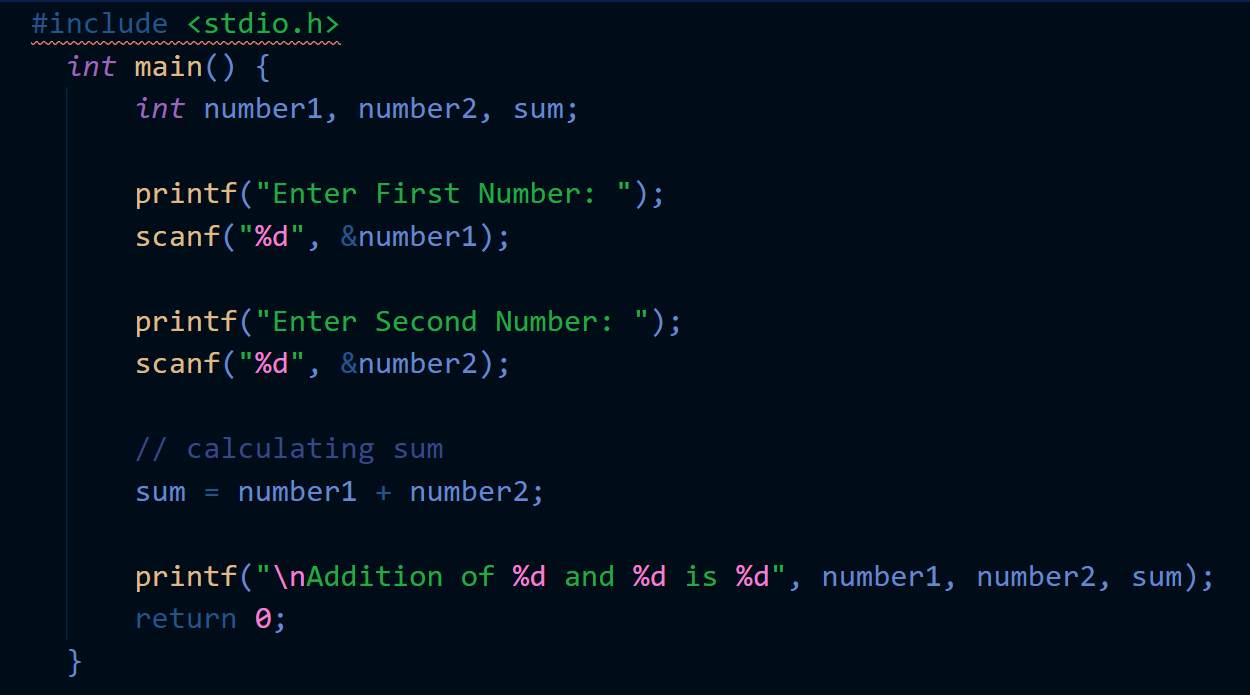
A successor to the programming language B, C was originally developed at Bell Labs by Dennis Ritchie between 1972 and 1973 to construct utilities running on Unix. During the 1980s, C gradually gained popularity. It has become one of the most widely used programming languages, with C compilers available for almost all modern computer architectures and operating systems.
C is an imperative procedural language supporting structured programming, lexical variable scope, and recursion, with a static type system. It was designed to be compiled to provide low-level access to memory and language constructs that map efficiently to machine instructions, all with minimal runtime support. Despite its low-level capabilities, the language was designed to encourage cross-platform programming. A standards-compliant C program written with portability in mind can be compiled for a wide variety of computer platforms and operating systems with few changes to its source code.
2) C++ language
C++ is a general-purpose programming language created by Danish computer scientist Bjarne Stroustrup as an extension of the C programming language, or "C with Classes". The language has expanded significantly over time, and modern C++ now has object-oriented, generic, and functional features in addition to facilities for low-level memory manipulation. It is almost always implemented as a compiled language, and many vendors provide C++ compilers.

C++ was designed with an orientation toward systems programming and embedded, resource-constrained software and large systems, with performance, efficiency, and flexibility of use as its design highlights. C++ has also been found useful in many other contexts, with key strengths being software infrastructure and resource-constrained applications, including desktop applications, video games, servers.
Before the initial standardization in 1998, C++ was developed by Stroustrup at Bell Labs since 1979 as an extension of the C language. He wanted an efficient and flexible language similar to C that also provided high-level features for program organization. Since 2012, C++ has been on a three-year release schedule with C++ - 23 as the next planned standard.
3) C# language
C# or C Sharp is a modern, object-oriented, and type-safe programming language. C# enables developers to build many types of secure and robust applications that run in .NET. C# has its roots in the C family of languages and will be immediately familiar to C, C++, Java, and JavaScript programmers.
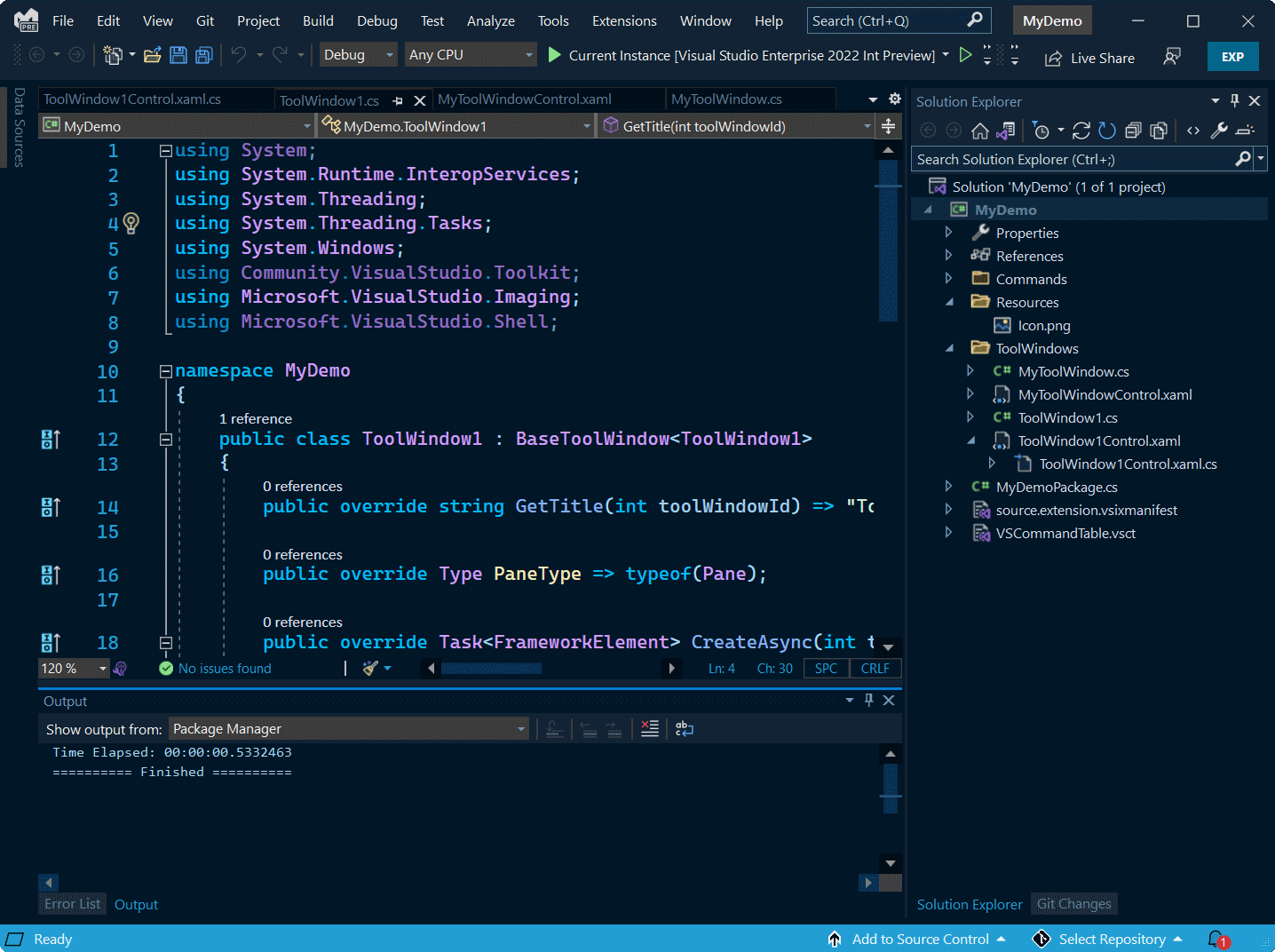
C# is an object-oriented, component-oriented programming language. C# provides language constructs to directly support these concepts, making C# a natural language in which to create and use software components. Since its origin, C# has added features to support new workloads and emerging software design practices. At its core, C# is an object-oriented language. You define types and their behavior.
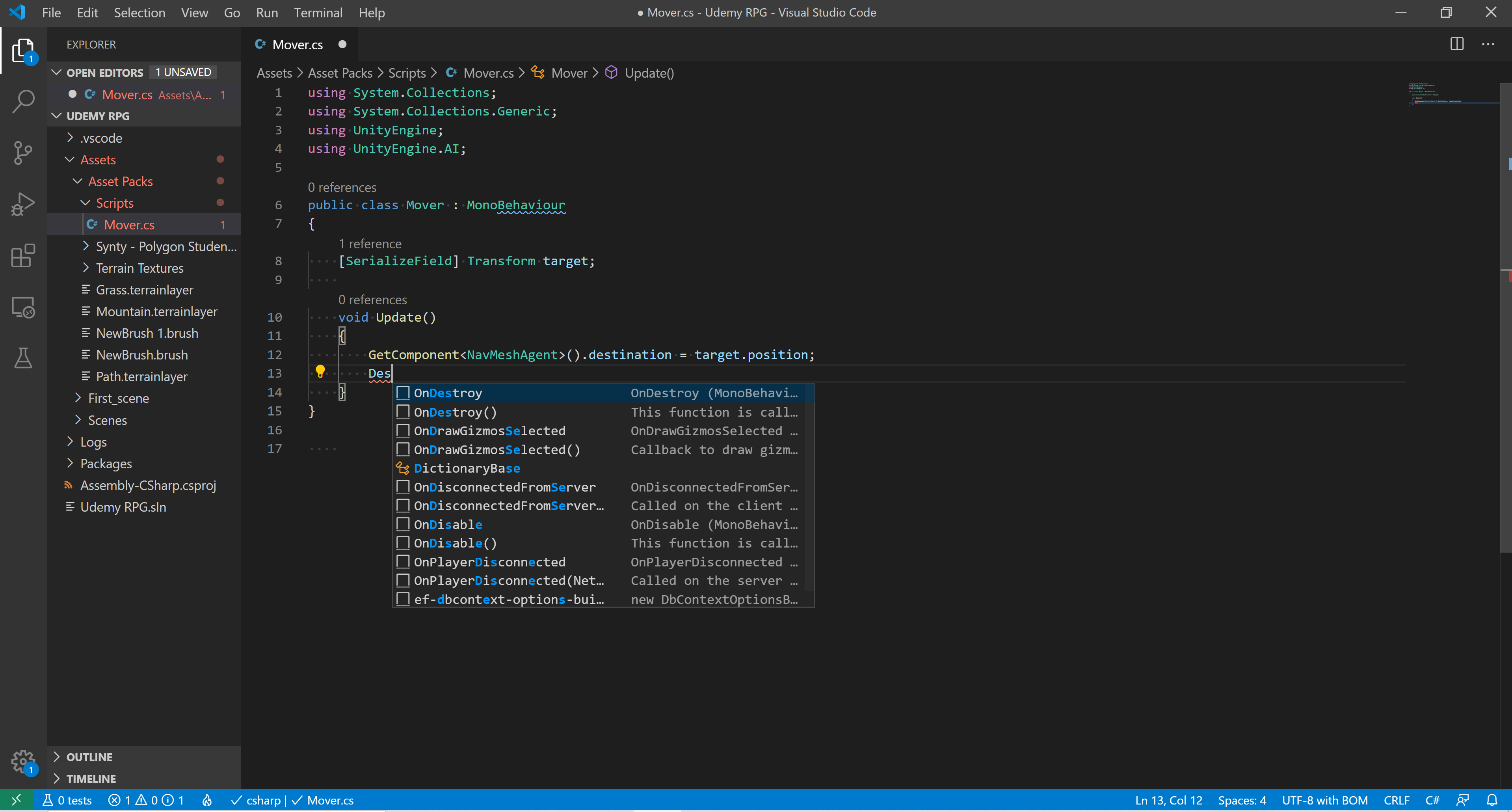
The C# programming language was designed by Anders Hejlsberg from Microsoft in 2000 and was later approved as an international standard by Ecma in 2002 and ISO in 2003. Microsoft introduced C# along with .NET Framework and Visual Studio, both of which were closed-source. At the time, Microsoft had no open-source products. Four years later, in 2004, a free and open-source project called Mono began, providing a cross-platform compiler and runtime environment for the C# programming language. A decade later, Microsoft released Visual Studio Code, Roslyn, and the unified .NET platform, all of which support C# and are free, open-source, and cross-platform.
4) Java language
Java is a high-level, class-based, object-oriented programming language that is designed to have as few implementation dependencies as possible. It is a general-purpose programming language intended to let programmers write once, run anywhere, meaning that compiled Java code can run on all platforms that support Java without the need to recompile. Java applications are typically compiled to bytecode that can run on any Java virtual machine. The syntax of Java is similar to C and C++, but has fewer low-level facilities than either of them. The Java runtime provides dynamic capabilities that are typically not available in traditional compiled languages.

Java was originally developed by James Gosling at Sun Microsystems and released in May 1995 as a core component of Sun Microsystems' Java platform. The original and reference implementation Java compilers, virtual machines, and class libraries were originally released by Sun under proprietary licenses. As of May 2007, in compliance with the specifications of the Java Community Process, Sun had relicensed most of its Java technologies under the GPL-2.0-only license. Oracle offers its own HotSpot Java Virtual Machine. However the official reference implementation is the OpenJDK JVM which is free open-source software and used by most developers and is the default JVM for almost all Linux distributions.
5) Java Script language

JavaScript, often abbreviated JS, is a programming language that is one of the core technologies of the World Wide Web, alongside HTML and CSS. Over 97% of websites use JavaScript on the client side for web page behavior, often incorporating third-party libraries. All major web browsers have a dedicated JavaScript engine to execute the code on users' devices.

JavaScript is a high-level, often just-in-time compiled language that conforms to the ECMAScript standard. It has dynamic typing, prototype-based object-orientation, and first-class functions. It has application programming interfaces (APIs) for working with text, dates, regular expressions, standard data structures, and the Document Object Model.
The ECMAScript standard does not include any input/output, such as networking, storage, or graphics facilities. In practice, the web browser or other runtime system provides JavaScript APIs for I/O.
JavaScript engines were originally used only in web browsers, but are now core components of some servers and a variety of applications. The most popular runtime system for this usage is Node.js.
6) Kotlin language

Kotlin is a cross-platform, statically typed, general-purpose programming language with type inference. Kotlin is designed to interoperate fully with Java, and the JVM version of Kotlin's standard library depends on the Java Class Library, but type inference allows its syntax to be more concise. Kotlin mainly targets the JVM, but also compiles to JavaScript or native code via LLVM. Language development costs are borne by JetBrains, while the Kotlin Foundation protects the Kotlin trademark.
On 7 May 2019, Google announced that the Kotlin programming language is now its preferred language for Android app developers. Since the release of Android Studio 3.0 in October 2017, Kotlin has been included as an alternative to the standard Java compiler.
7) Python language
Python is a high-level, interpreted, general-purpose programming language. Its design philosophy emphasizes code readability with the use of significant indentation.

Python is dynamically-typed and garbage-collected. It supports multiple programming paradigms, including structured, object-oriented and functional programming. It is often described as a "batteries included" language due to its comprehensive standard library.
Guido van Rossum began working on Python in the late 1980s as a successor to the ABC programming language and first released it in 1991 as Python 0.9.0. Python 2.0 was released in 2000 and introduced new features such as list comprehensions, cycle-detecting garbage collection, reference counting, and Unicode support. Python 3.0, released in 2008, was a major revision that is not completely backward-compatible with earlier versions.
Python consistently ranks as one of the most popular programming languages.
8) Swift language
Swift is a general-purpose, multi-paradigm, compiled programming language developed by Apple Inc. and the open-source community. First released in 2014, Swift was developed as a replacement for Apple's earlier programming language Objective-C. Swift works with Apple's Cocoa and Cocoa Touch frameworks, and a key aspect of Swift's design was the ability to interoperate with the huge body of existing Objective-C code developed for Apple products over the previous decades. It is built with the open source LLVM compiler framework and has been included in Xcode since version 6.
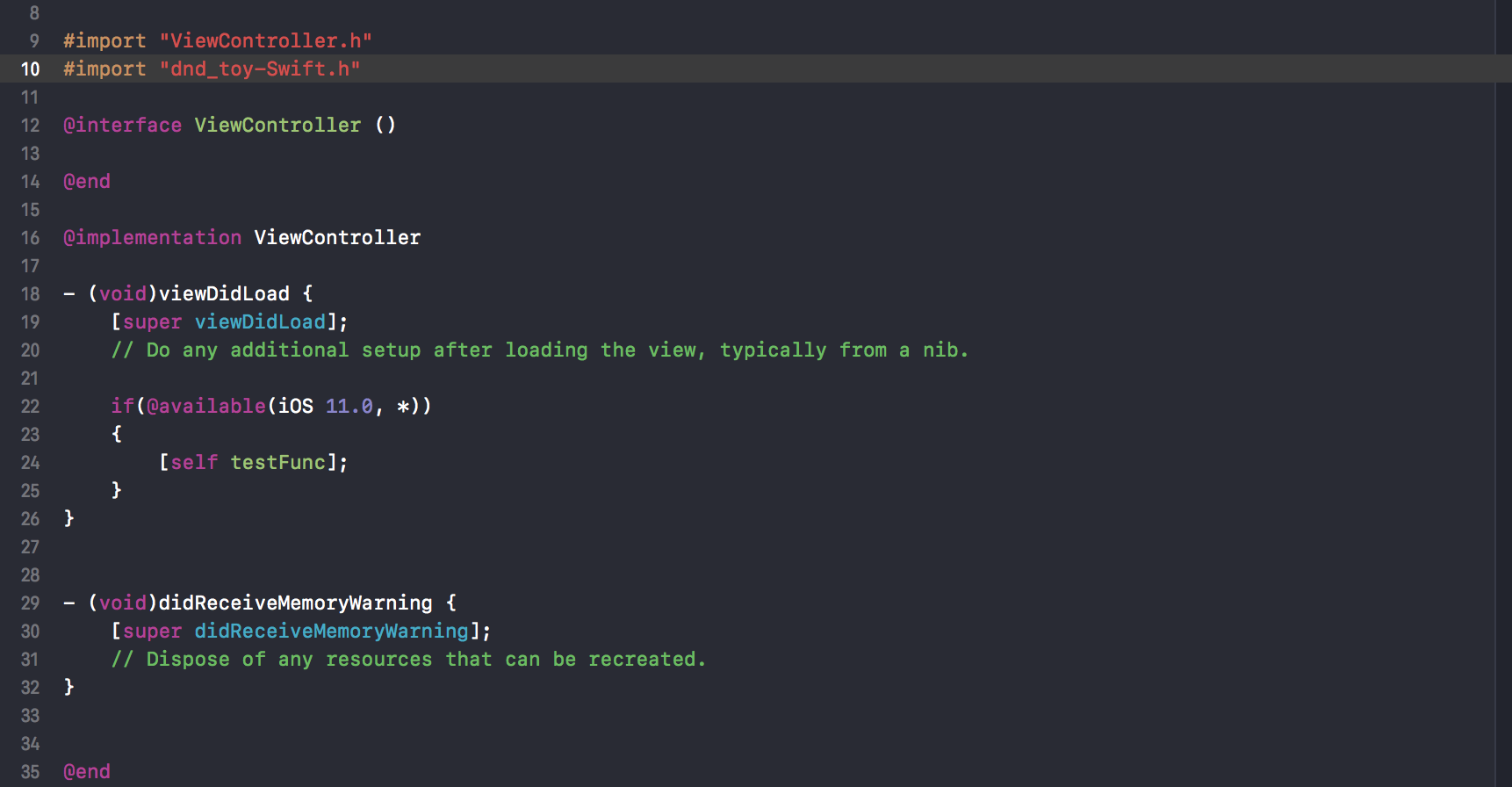
Apple intended Swift to support many core concepts associated with Objective-C, notably dynamic dispatch, widespread late binding, extensible programming and similar features, but in a "safer" way, making it easier to catch software bugs. Swift has features addressing some common programming errors like null pointer dereferencing and provides syntactic sugar to help avoid the pyramid of doom. Swift supports the concept of protocol extensibility, an extensibility system that can be applied to types, structs and classes.