History of coding
Coding and computer programming are always changing and evolving. As computer nerds, it’s exciting to think about how we can program computers to do complex things, and to look back into history and see that this has been happening for quite a while. Learn how programmers throughout time have imagined and invented new possibilities with programming and coding, and how they’ve used their (mostly mathematics) skills to make their ideas become a reality.
Programming dates all the way back to 60 A.D., to the time of Mr. Heron of Alexandria. This fellow mathematician and engineer was known for his amazing inventions and machines. By simply re-wiring the machine, you could manipulate the puppets to do different things. That’s one of the first recorded examples where you could program something without having to take it all apart and rebuild it.
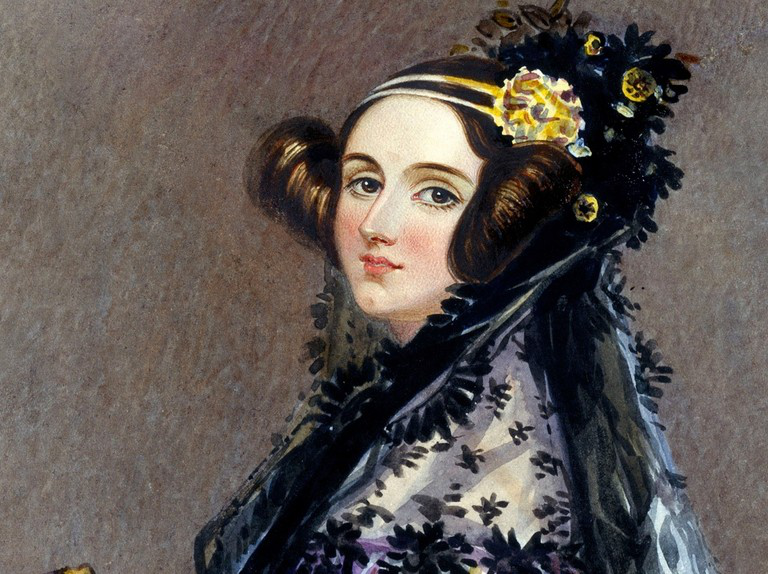
Ada Lovelace was yet another mathematician, and also technically the world’s first computer programmer. She was intrigued by Babbage’s analytical engine so much that after a book appeared about that subject, she translated the book from Italian to English, and learned all about how the machine worked. So not only was she good with languages, she was in theory creating a program, or language, for this machine that didn’t technically exist.
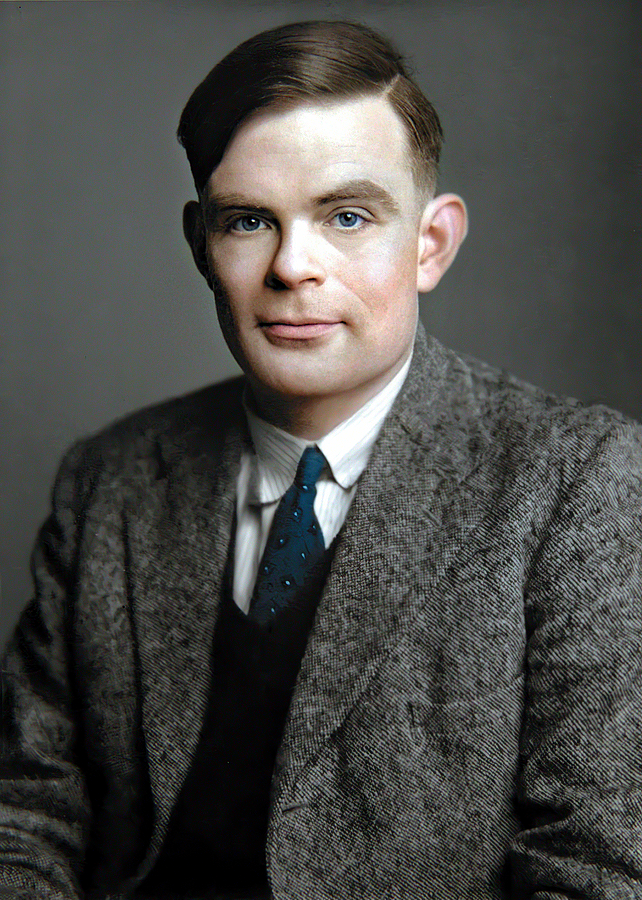
Any guesses on Alan Turing’s profession? Yep, another mathematician. This guy was “The Bomb”. Doing top-secret work breaking military codes used by the Germans and Axis powers, Turin (with the help of his coding team) was able to crack the ever-changing ‘Enigma’ code by inventing a computing machine and reducing the time used for code-breaking. This machine was called The Bombe. By breaking the code, the Allies were able to understand German naval movements.
The 1950s was really when computer programming started to take off with programming languages. There were actually jobs in the ’50s created to compile expressions, variables, and operators into short code, called “compilers”. The first programming language that can be named that was something called short code created by someone from the company IBM. It was an idea to make coding faster and more efficient (funny that in the 1950s, this is what they thought would be the fastest, most efficient way of coding). “Programming time should be minimized,” was IBM’s statement with speed coding. Then a couple people evolved the language by creating A-0 and Auto code, the first automated computer compilers.
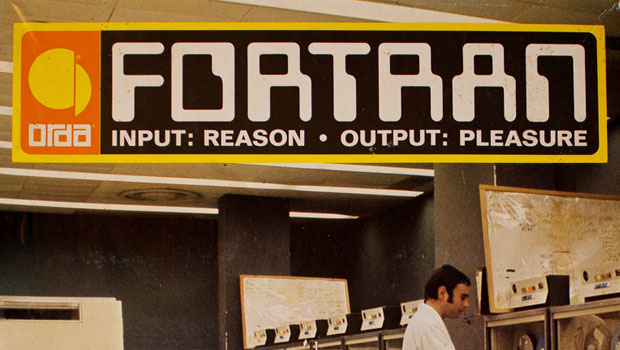
Grace Hopper was recognized for creating the A-0 in the United States, while Alec Glennie from the UK created Auto code. Because this was around the same time and there wasn’t much collaboration between the two countries (and GitHub didn’t exist) with this type of programming development, they both claimed to have created the first automated computer compiler. The first programming language that is actually still around today was created by IBM by a guy named John Backus. The language is called FORTRAN. The problem back then was that you couldn’t just type this into a computer screen because they didn’t have screens, and you couldn’t type this language into the computer, because they didn’t have typing tools like keyboards, either. So, when FORTRAN was first created, you’d have to encode the language onto a punch card and then feed them into the computer, and see what happens (and you thought C++ took too long). As FORTRAN still exists, pretty much every programming language in the world are somehow based off a language created by Backus. He also created ALGOL which has evolved since then and is also still around today, as are other coding languages that evolved from these, such as PYTHON, C++, and JavaScript.
The history of the father languages ends here but there are a lot of children that carry their legacy.